
City life
Lisbon in 3 Days: Neighbourhoods, Food & Local Tips (2026)
· 7 min read · Updated
By Touristic Editorial Team · Lisbon, Portugal
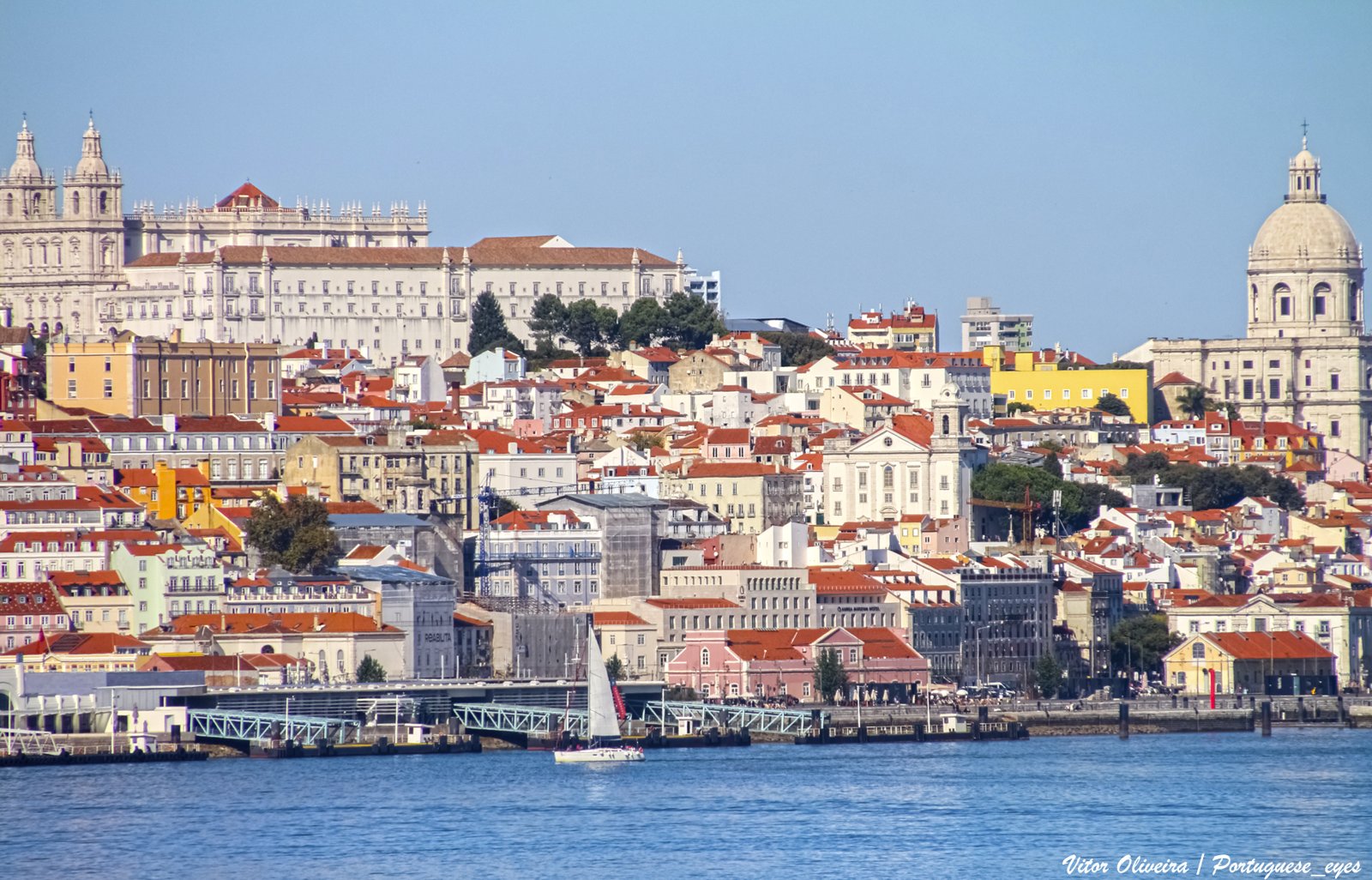
Lisbon is easier to enjoy when we stop treating its hills as a list of viewpoints to collect. A good short break connects neighbouring streets, leaves room for a proper meal and uses public transport when a climb stops being enjoyable. We would rather explore one district carefully than spend an afternoon crossing the city for a photograph. This three-day guide puts Graça, Mouraria, the central streets and the river into a practical sequence. It is a starting point, not a promise of empty trams or undiscovered cafés: Lisbon is a busy capital, and its everyday neighbourhoods deserve the same consideration as its monuments.
Getting to Lisbon and choosing a base
Lisbon Airport connects with the city through the metro and other ground transport. Before travelling, check the official airport and transport sites for your arrival time, service information and ticket arrangements. If you arrive late with luggage, decide on the onward journey before leaving the terminal rather than improvising when tired.
Baixa and Chiado make useful central bases; Arroios suits travellers who prefer residential streets with transport connections. Graça offers hillside character, but the final approach can be steep. Read accommodation accessibility details carefully, including lift access and the actual street entrance. Our Lisbon city guide helps place these areas within the wider city. A flat-looking map does not tell the whole story here.
When to visit and what to bring
Spring and autumn often suit long urban walks, while summer calls for more shade and a slower midday pace. Weather is never guaranteed, so we check the forecast shortly before departure instead of building a trip around an average temperature. Winter can still work for a city stay, especially with indoor alternatives, but rain changes how the steep pavements feel.
Pack footwear with good grip: Lisbon's decorative stone paving can become slippery when wet. A light layer is useful near the river, and a refillable bottle makes sense for walking days. If cooler-weather travel appeals, our guide to four autumn city breaks offers other destinations without claiming that a particular month guarantees lower prices.
Graça and Mouraria: take the downhill route
Begin a neighbourhood walk in Graça if your energy and access needs allow it, then work downhill towards Mouraria and the central streets. Viewpoints are pleasant pauses, not obligations. Leave enough flexibility to stop in a square or change direction when a staircase does not suit you. Do not mistake narrow residential lanes for a theme park: keep entrances clear and lower your voice around homes.
Mouraria rewards attention to small shops and the mix of everyday street life. We suggest choosing a manageable loop rather than following every attractive alley. Mark a transport stop or larger street as a return point before wandering. This makes it easier to keep the walk relaxed without depending entirely on your phone battery.
What to eat beyond a quick pastry stop
Portuguese meals offer plenty beyond the familiar pastel de nata. Look for fish dishes, soups and petiscos, the small plates that suit sharing. A bica is a common way to order an espresso in Lisbon, though asking plainly for coffee is perfectly fine. Read the menu before sitting down and ask about ingredients if a dish is unfamiliar.
Campo de Ourique can anchor a food-focused outing, while Arroios offers another neighbourhood setting for a meal. Neither area guarantees a bargain or an exceptional restaurant at every door. We compare menus and choose what genuinely appeals. For a broader introduction to produce halls and food counters, explore our six European food-market mornings rather than relying on one famous entrance.
Belém, the river and a sensible ferry outing
Treat Belém as its own part of the day instead of inserting it between walks on opposite sides of the centre. The riverfront gives you space to slow down, and the district's major monuments can shape an indoor or outdoor visit. For entry requirements, prices and opening hours, check the official site of each place you intend to enter. Avoid assuming a general city pass covers every visit.
A ferry crossing to Cacilhas is another way to see the Tagus and Lisbon's hills. Check the operator's current timetable, return service and accessibility before setting out. Stay on public waterfront routes, respect barriers and choose the outing for the journey itself, not a promise of a particular restaurant or sunset.
Budget tips and mistakes we would avoid
Group walks geographically and compare transport tickets against your actual plans. A pass only helps if it fits the trips and admissions you will use. Neighbourhood meals, simple breakfasts and time in public squares can balance a visit that also includes paid sights. Keep a little flexibility for changes rather than allocating every part of the day in advance.
The biggest planning mistake is underestimating the hills. Another is treating a crowded tram as the only authentic way to experience the city. If a queue dominates your morning, use another route. Do not schedule a major attraction immediately after arriving, and do not rely on old online prices. For current tickets and opening hours, check the official site.
A three-day Lisbon itinerary with room to pause
Day one: settle into your accommodation, explore Graça and Mouraria at a comfortable pace, then finish in the central streets. Put the uphill part early if that suits you, or replace it with a gentler route. Keep your first dinner close to your base rather than adding another cross-city journey.
Day two: give Belém and the river their own outing, choosing one main interior visit if you want one. Day three: spend a morning around Campo de Ourique or Arroios, then consider Cacilhas if ferry conditions and your energy allow. Swap these days freely around the weather. A short itinerary works best when there is permission to skip something, not pressure to complete every stop.
Should you add Porto to the trip?
We would keep a long weekend focused on Lisbon. If you have more time, Porto's riverfront and neighbourhood guide offers a contrasting Portuguese city, with the Douro rather than the Tagus shaping the view. Check the official rail operator for current connections, reservations and ticket conditions before booking the next stay.
Make the transfer a real part of the itinerary rather than pretending it costs no time. Allow for reaching the station, finding your accommodation and settling in. Staying overnight gives Porto room to be a destination in its own right. If the available days are tight, another Lisbon neighbourhood is usually a better choice than a rushed second-city excursion.
Good to know