
Culture
Rome After Dark: 2 Evening Walks, Food & Tips (2026)
· 6 min read · Updated
By Touristic Editorial Team · Rome, Italy
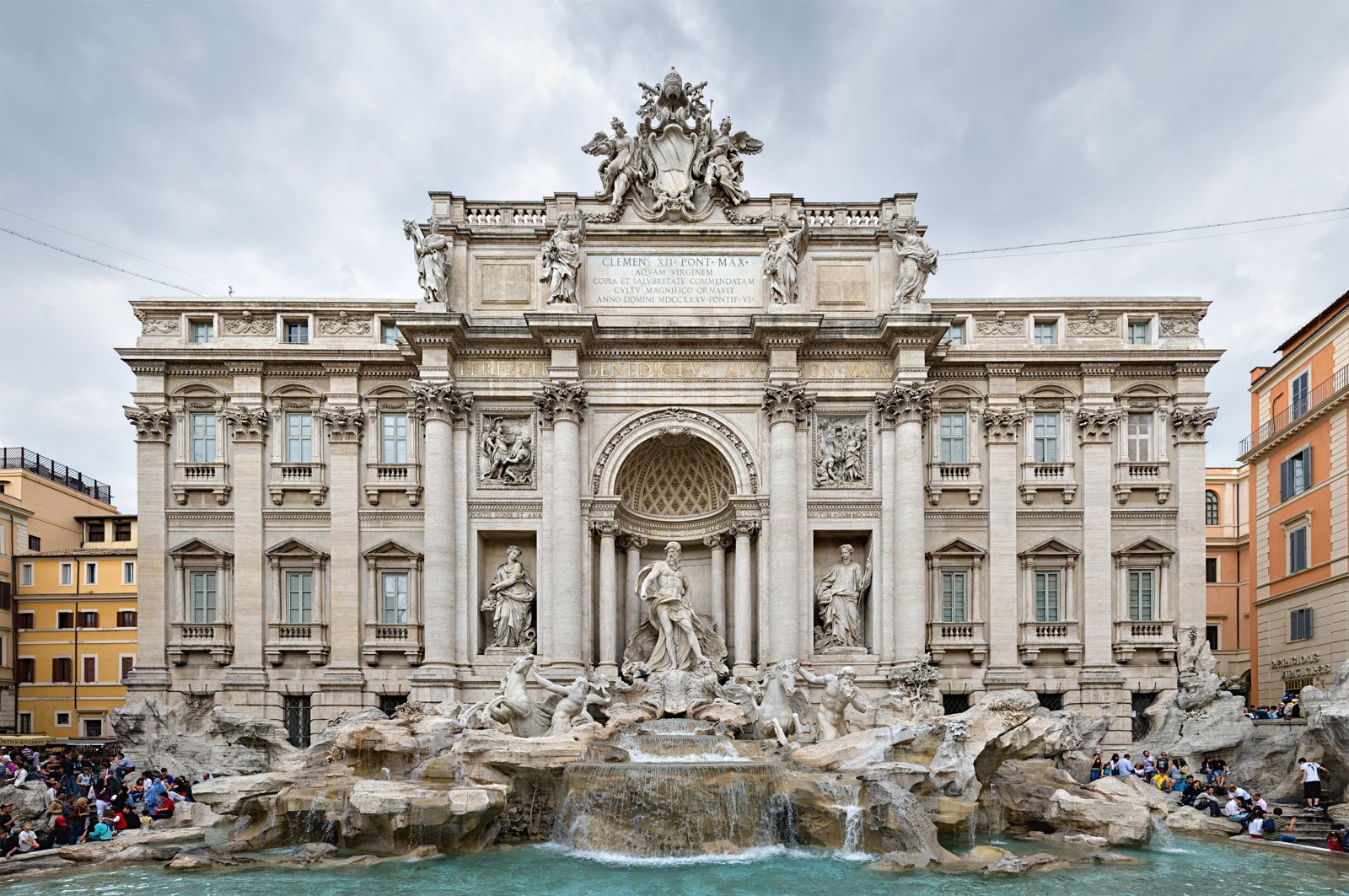
Rome after dark is not an empty version of Rome by day. Its famous squares can remain crowded, neighbourhood streets have their own rhythms and a long evening still needs a sensible route home. We prefer to choose one area and let dinner, a walk and a few exterior views fit together naturally. This guide offers two evening outlines rather than an ambitious march across the entire centre. Neither requires entering every monument. Use daylight for the interiors that matter to you, then enjoy the city outside while respecting residents, barriers and the practical limits of your energy after a full day.
Arrive with your first evening in mind
Rome's airports have different ground connections, so check the official airport and operator sites for the terminal you will use. Confirm your onward journey and accommodation check-in before deciding what to do that night. A late arrival is a good reason to keep dinner nearby, not a challenge to complete an illuminated-landmark circuit.
Choose a base partly by how you will return to it. Monti, the central historic districts and Trastevere each offer a different setting, but an appealing address is not a substitute for checking access, noise and transport. Our Rome city guide helps orient the wider visit. We would mark the accommodation on an offline map and keep its address available before leaving for the evening.
When to walk and what to pack
An evening walk can suit several seasons, but summer heat does not disappear instantly at sunset and cooler months bring shorter daylight. Check the forecast and choose clothing for the return journey, not only the moment you leave. Rain can make paving slippery, so reliable footwear matters more than looking ready for a photograph.
Carry enough water for your plans, keep your phone charged and avoid loading your bag with valuables you do not need. For a cooler-season visit, our autumn city-break advice discusses balancing outdoor time with indoor alternatives. We would not promise a quieter Rome on a particular date: events, holidays and local conditions can change the experience quickly.
Evening route one: Monti and the Colosseum exterior
Monti and the streets around the Colosseum make a coherent evening area when you resist adding every central piazza afterwards. Begin with a short neighbourhood walk, choose dinner nearby and leave time for a view of the monument from public areas. Follow signs and barriers, and do not step into restricted space for a better angle.
An exterior walk is different from visiting the archaeological sites themselves. Entry, special programmes and access arrangements can change: check the official site if you want to go inside. We suggest saving demanding interiors for a separate part of the day rather than combining a timed visit with a dinner reservation and a long night walk. Keep the route simple enough to enjoy.
Evening route two: central piazzas or Trastevere
For another night, choose the central piazzas around the Pantheon and Piazza Navona, or focus on Trastevere. These are alternatives, not instructions to cover both. In the centre, allow room for busy streets and use a map before turning into an unfamiliar lane. Around fountains and monument entrances, respect local rules and keep public routes clear.
Trastevere can offer a pleasant dinner-and-walk combination, but its better-known lanes are not reliably quiet. Look beyond the busiest cluster without seeking isolated shortcuts. If a uphill viewpoint interests you, evaluate the distance and return route in daylight first. We would not add a climb merely to finish an evening with a view when everyone is already tired.
Roman food without rigid dining rules
Cacio e pepe, carbonara and other Roman pasta dishes are useful names to recognise, not proof that every restaurant serving them is worth choosing. Read the menu, ask about ingredients and check any additional charges before ordering. Dietary needs deserve clear questions: a familiar dish name does not guarantee the recipe or kitchen arrangements you expect.
Testaccio offers a different food-focused neighbourhood from the most visited monument streets. Choose it as part of a planned outing rather than a last-minute cross-city detour. Our guide to six European market mornings offers broader food-travel habits: compare, ask and understand the setting before buying. A short menu can be appealing, but it is not an automatic quality test.
Costs, reservations and the value of exterior walks
Walking through public streets and looking at monument exteriors can balance a trip that also includes paid admissions. It does not replace a visit inside a place you genuinely want to understand; it simply stops every evening becoming another ticketed event. Choose the interiors that matter most and check the official site for current prices, opening hours and reservation conditions.
If dinner needs a reservation, give it enough space around the walk. Do not book a sequence that only works if every crossing and queue takes the shortest possible time. For transport, compare the operator's current ticket choices with your actual journeys. We avoid publishing a fixed food or taxi budget because it would imply certainty the trip does not have.
Common mistakes and a manageable two-night plan
The first mistake is treating all the famous evening sights as one compact route. Rome's centre rewards walking, but distance, crowded crossings and tired feet still count. The second is assuming that a late hour means no visitors. Keep belongings secure in crowded areas, choose well-lit routes and make the return journey part of the plan.
Night one: Monti, dinner and the Colosseum exterior. Night two: the central piazzas, or dinner and a short loop in Trastevere. Leave the choice open until you know your daytime plans and energy. If you are travelling with children or someone who needs frequent rests, shorten the loop and identify comfortable stopping points before setting out.
Pairing Rome with Florence without losing a day
A longer Italian trip can include Florence's compact centre and riverside guide. Check the official rail operator for current services, station details and fare conditions, then allow time on both sides of the train journey. We would give Florence its own stay instead of turning it into a tightly timed excursion between Rome evenings.
The contrast is useful: Rome's spread of neighbourhoods and Florence's more concentrated historic centre suggest different walking plans. Choose fewer major interiors in each rather than comparing how many admissions you can collect. If the trip is short, stay in Rome and explore another district by day. A good evening is easier when the morning did not begin with an unnecessary transfer.
Good to know